
Winter in Saratoga Springs, New York, isn’t just cold. It’s tough on plumbing too, especially when water leaks are hiding behind walls or under floors. Once the ground freezes and the indoor air dries up, some leaks get harder to spot. That doesn’t mean they’re less of a problem. In fact, small leaks often get worse as temperatures drop.
That’s where professional water leak detection services can make a real difference. Spotting the signs early can help limit water damage before it turns into something much bigger. We want to walk you through what to look out for and why winter makes these hidden leaks more of a challenge. Let’s take a closer look at where trouble begins and how expert help can keep your home protected when the weather turns rough.
Recognizing the Signs of a Winter Water Leak
Winter leaks don’t always show up the way you’d expect. Sometimes the signs are small and easy to miss. But they’ll often leave a few quiet clues around the house. If you notice any of these, it’s a good idea to have someone take a look:
• Low water pressure from your sinks or showers. If it drops suddenly, something inside your plumbing could be leaking or blocked.
• Water stains on ceilings or walls. These wet patches may show up as brown or yellow spots and often mean something is dripping from above.
• The sound of water running, even when all your faucets are off. You might hear it behind a wall or in the ceiling, and it usually points to water moving where it shouldn’t.
If you see one of these signs, it doesn’t always mean there’s a major issue. But small leaks can grow fast in winter, which is why it’s helpful to bring in someone with the right tools to find the cause. Early detection could save you from unnecessary repair costs down the road.
Small leaks have a tendency to worsen during the colder months. Water in pipes can freeze and expand, putting pressure on the plumbing and increasing the risk of cracks or bursts. Staying aware of your home’s water usage and changes in water pressure is an important habit to develop during winter. If you catch these warning signs soon enough, you can minimize the risk of further water damage.
Why Winter Makes Leaks Harder to Spot
During the coldest months, it’s not just your pipes that struggle. The ground around your home freezes, snow covers outdoor spots, and indoor air gets dry from heating systems. That makes it harder to see when something’s wrong.
• When the ground is frozen, leaks from outdoor pipes or city connection lines can soak into the soil without showing clear signs.
• Inside the house, a leak behind a wall might dry up slower because the air isn’t warm or humid, so stains and damp smells take longer to appear.
• Temperature changes can cause pipes to expand and shrink. That stress may cause small cracks in plumbing lines, and those cracks may not leak regularly.
Another reason winter leaks can be tricky is the increased usage of your home’s heating systems and appliances. As the demand for hot water and heating rises, the plumbing system is placed under extra strain, which can cause existing weaknesses to become leaks. Sometimes, these leaks only show themselves intermittently or are hidden behind walls and floors where moisture may not be obvious until the damage is quite extensive.
All these things make it tougher to spot trouble right away. And once pipes freeze or burst, the damage can get worse fast. Early detection is the best way to avoid that.
If left unchecked, leaks in winter can also create the perfect conditions for mold and mildew to develop. Since winter air is dry, you may not smell dampness as quickly, which delays detection. By staying alert to any unusual sounds, odors, or moisture, you can take steps before a small problem leads to large repairs.
Areas of the Home Most at Risk in Cold Weather
Some parts of your home are more likely to have winter plumbing issues than others. Pay extra attention to these locations, especially once the temperature drops below freezing.
• Pipes located on exterior walls or in areas with poor insulation, such as basements or crawlspaces. These get exposed to the cold a lot faster.
• Water heaters, dishwashers, washing machines, and other appliances. These can strain under extra use in the winter and may end up leaking from weak hoses or seals.
• Old plumbing joints or corroded pipes. These are often the first to fail as pressure builds or cold temperatures stretch the materials.
Consider the age of your plumbing system as well. Older pipes or homes that have not had recent inspections can be particularly vulnerable in Saratoga Springs, New York, winters. Seasonal changes especially affect pipes running through unheated garages, attics, or areas with little insulation. Check these locations periodically for damp spots, discoloration, or condensation.
These risky spots are where leaks often begin. Getting someone who knows what to check can help catch problems before they spread or lead to bigger repairs. If you’re away for extended periods, it’s especially important to ask someone to check on your home so leaks do not go unnoticed.
How Water Leak Detection Services Help You Avoid Damage
When leaks are hard to see, it takes more than guesswork to find them. That’s why trained pros use tools designed for the job. These aren’t the kind of leaks you can spot just by walking around.
• Thermal cameras can detect changes in temperature behind walls or under floors. These changes often signal leaks without having to open anything up.
• Moisture meters help find damp spots even if nothing looks wet on the surface. They can catch slow, hidden leaks that grow over time.
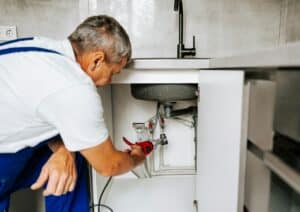
• Skilled technicians know where to look, whether it’s along pipe runs hidden in walls, under sinks, or near floorboards and ceilings that don’t seem out of place.
Detection professionals combine advanced technology with expert knowledge of plumbing layouts, so they can reveal even the most concealed leaks. Quick identification of water leaks means repairs can be made before there is structural damage or large areas of drywall and insulation are affected. This proactive approach also means less disruption and lower repair costs for homeowners.
Fast repairs help avoid frozen pipes, stained ceilings, and mold that can grow in tight spaces. By catching leaks in the early stages, we help keep things under control through the cold weather. Even something as simple as noticing an unexplained increase in your water bill can be a reason to schedule a leak detection service.
Safe and Dry All Season Long
Leaks don’t take the winter off. If anything, they get harder to handle when the cold sets in around Saratoga Springs. They may be small, but over time, they lead to bigger problems like damaged drywall, wood rot, or mold growth that can affect your comfort at home.
We look for the early signs so you don’t have to wait until the damage shows up. Whether it’s a cracked pipe behind a wall or a steady drip near a basement window, finding the source early is always the smarter move. With a watchful eye and the right tools, we keep your home dry, protected, and ready to face winter without surprises.
If you have experienced frozen pipes before or live in an area with unpredictable winter weather, staying proactive is crucial for the health of your plumbing system. Preventative maintenance and routine checks will keep you one step ahead when temperatures drop. The comfort and security of a dry, well-maintained home are worth the time it takes to spot issues and address them quickly.
Noticing signs of water problems in your Saratoga Springs, New York, home? We specialize in helping local homeowners find hidden leaks before cold temperatures make repairs more difficult. With our proven step-by-step process, you can handle winter plumbing issues with less stress. When you’re ready for professional support, trust My Jockey for reliable water leak detection services. Call us today to get started.
No comment yet, add your voice below!